
The Internet der Dinge (IoT in English) represents one of the most transformative technological shifts of our era. This German term, literally translating to “Internet of Things,” describes the vast network of physical devices embedded with sensors, software, and connectivity that enables them to collect and exchange data. From smart refrigerators that track your groceries to industrial machines that predict maintenance needs, the Internet der Dinge is fundamentally reshaping how we interact with the physical world. As we move through 2026, this interconnected ecosystem continues to expand at an exponential rate, promising unprecedented convenience, efficiency, and innovation across every sector of society.
What Exactly is the Internet der Dinge?
The Internet der Dinge encompasses any device that can connect to the internet and communicate with other devices or central systems. At its core, IoT involves three key components: sensors that gather data from the environment, connectivity that transmits this data, and software that processes information and triggers actions. This creates a seamless flow of information where everyday objects become intelligent actors. For example, a smart thermostat learns your preferences, adjusts temperatures automatically, and reports energy usage. Unlike traditional internet-connected devices like computers, the Internet der Dinge focuses on machine-to-machine communication without human intervention. According to Wikipedia, this paradigm represents a significant evolution in computing, where the physical and digital worlds converge.
Key Benefits of the Internet der Dinge
The advantages of the Internet der Dinge are substantial and far-reaching. Organizations and individuals alike experience transformative improvements across multiple domains:
- Enhanced Efficiency: Smart systems optimize resource usage, reducing waste in energy, time, and materials
- Predictive Maintenance: Connected devices can forecast failures before they occur, minimizing downtime and repair costs
- Improved Quality of Life: Home automation systems handle routine tasks, giving users more free time and peace of mind
- Data-Driven Insights: The massive data generated provides valuable analytics for better decision-making and innovation
- Cost Savings: Reduced operational costs through automation, optimization, and preventive measures
These benefits demonstrate why the Internet der Dinge is becoming indispensable in modern life. For more detailed analysis, explore our resources on IoT implementation strategies and case studies.
Real-World Applications and Examples
The Internet der Dinge manifests in countless practical applications across various sectors, proving its versatility and adaptability:
Smart Homes: Connected lighting, security systems, and appliances create intuitive living spaces that respond to occupants’ needs. Smart speakers control entire ecosystems through simple voice commands, while refrigerators can automatically order groceries when supplies run low.
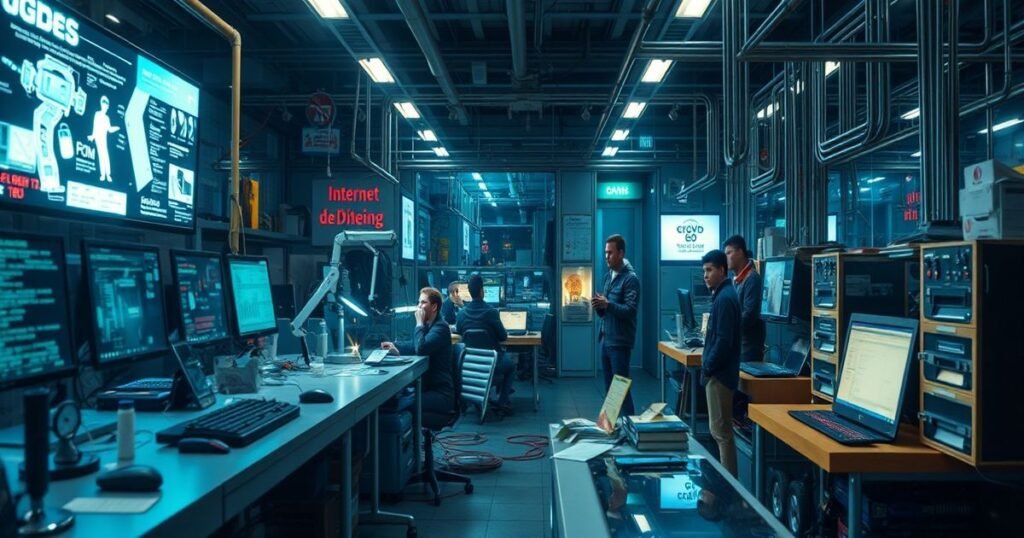
Industrial IoT (IIoT): Manufacturing facilities deploy connected sensors to monitor equipment performance, track inventory in real-time, and ensure worker safety through wearable technology that detects hazardous conditions.
Healthcare: Remote patient monitoring devices track vital signs, medication adherence, and can alert healthcare providers to emergencies, enabling proactive care and reducing hospital readmissions.
Smart Cities: Traffic management systems dynamically adjust signals based on congestion patterns, waste management optimizes collection routes, and environmental sensors continuously monitor air quality and noise pollution.
Agriculture: Precision farming leverages soil sensors, drone imagery, and automated irrigation systems to maximize crop yields while conserving precious water resources.
These examples illustrate how the Internet der Dinge is already transforming industries and daily experiences.
Challenges and Considerations
Despite its promise, the Internet der Dinge faces significant hurdles that must be addressed thoughtfully. Security remains paramount, as each connected device represents a potential entry point for cyberattacks, creating vulnerabilities in both personal and corporate networks. Privacy concerns escalate with the constant data collection inherent in IoT systems, raising questions about data ownership and usage rights. Interoperability issues arise when devices from different manufacturers cannot communicate effectively, limiting the ecosystem’s potential. The sheer volume of data generated requires robust infrastructure and sophisticated analytics capabilities to extract meaningful insights. Additionally, the environmental impact of producing billions of devices and managing electronic waste demands urgent attention. Addressing these challenges requires collaborative efforts from manufacturers, policymakers, and consumers to establish standards, regulations, and best practices that ensure the Internet der Dinge evolves responsibly and sustainably.
Future Outlook for 2026 and Beyond
Looking ahead in 2026, the Internet der Dinge is poised for accelerated growth driven by 5G expansion, edge computing, and AI integration. The number of connected devices is projected to exceed 30 billion globally, creating an even more interconnected world. Emerging trends include digital twins that create virtual replicas of physical systems for simulation and optimization, and ambient computing where technology recedes into the background of our environment. Sustainability will become a central focus, with IoT solutions playing crucial roles in climate monitoring, energy management, and resource conservation. For enterprise-grade solutions, companies like IBM offer robust IoT platforms that handle complex integrations. As the technology matures, we can expect more seamless experiences where the Internet der Dinge operates intelligently and unobtrusively in the fabric of daily life. To stay updated on the latest developments, visit our website regularly for expert insights.
Conclusion
The Internet der Dinge represents a fundamental shift in our relationship with technology, transforming everyday objects into intelligent, connected entities that anticipate our needs and optimize our world. While challenges around security, privacy, and interoperability remain, the potential benefits across industries and daily life are undeniable. As we continue through 2026, embracing this technology while addressing its complexities will be key to unlocking its full potential. The future is undeniably connected, and the Internet der Dinge is the framework that will shape our digital tomorrow, creating smarter cities, healthier populations, and more sustainable practices for generations to come.